
Resources
Start here
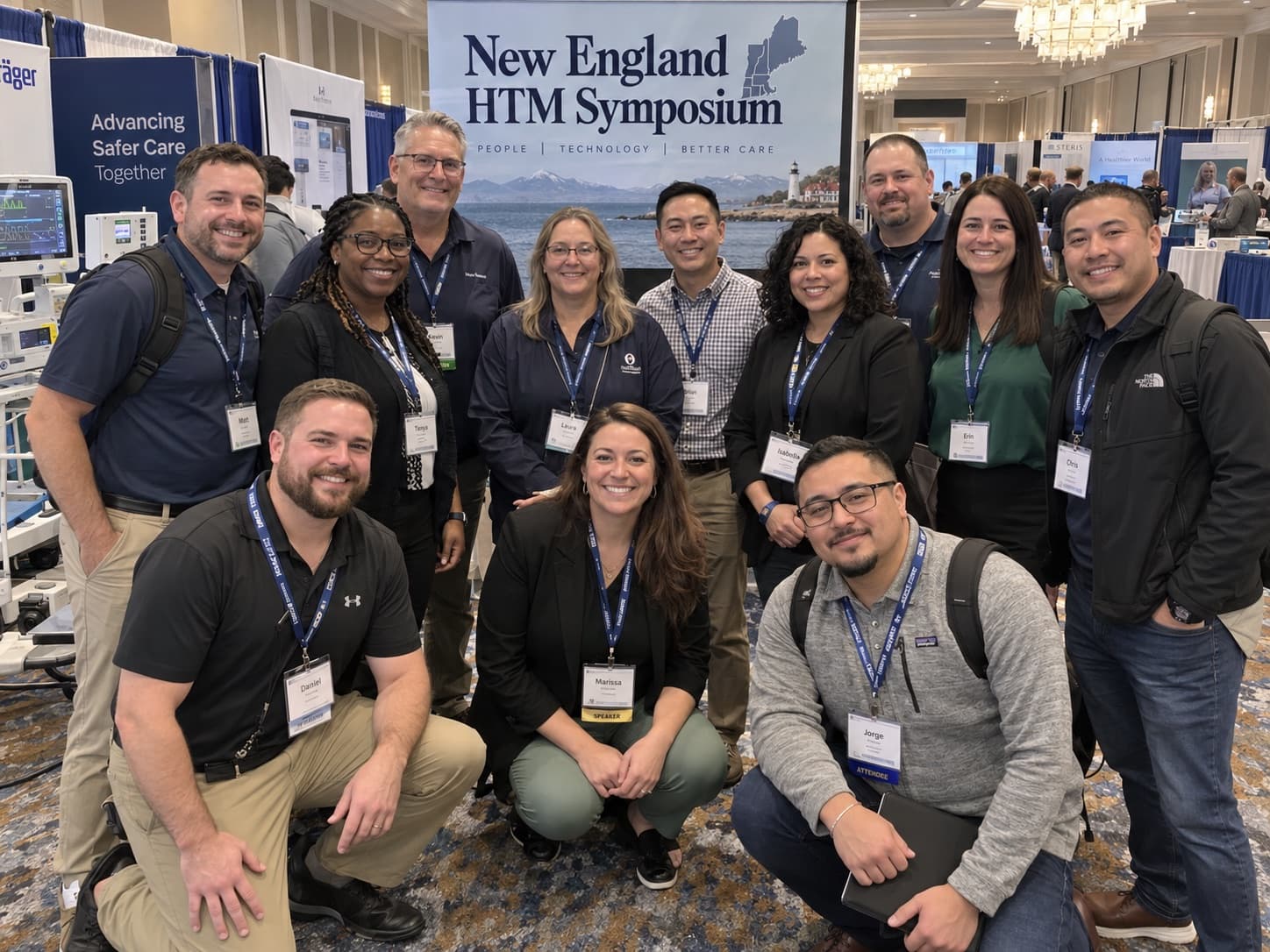
What is HTM?
Every hospital runs on equipment: infusion pumps, ventilators, patient monitors, defibrillators, CT and MRI scanners, laboratory analyzers. Someone has to make sure all of it is safe, accurate and working 24/7. That is healthcare technology management — HTM for short.
If you have ever been treated in a hospital, you have relied on an HTM professional without meeting one.
They are the reason a patient vitals reading can be trusted, and the reason a device that failed is back in service before the next patient needs it.
The field goes by several names — clinical engineering, biomedical engineering technology, medical equipment management. Regardless of what your hospital calls it, NESCE uses HTM for the whole of it, and welcomes and supports everyone in the HTM field.
The words
BMET, biomed, clinical engineer — who does what
The job titles overlap and vary by hospital. Here is the plain version.
- HTM — Healthcare Technology Management
- The whole field: the people and programs that keep medical equipment safe, accurate and available, from the day a hospital buys a device to the day it is retired.
- BMET — Biomedical Equipment Technician
- Also called a biomed. The hands-on specialist who inspects, repairs, calibrates and maintains clinical equipment — from lower risk devices like exam beds and scales, to life-saving equipment like ventilators and defibrillators.
- Imaging service engineer
- A biomed who specialises in diagnostic imaging: X-ray, CT, MRI, ultrasound, mammography and nuclear medicine. Bigger machines, higher voltages, tighter tolerances.
- Clinical engineer
- Usually degree-trained, and focused a level up: technology assessment and selection, risk and incident investigation, project management, capital planning, and leading the department.
- CSE — Clinical Systems Engineer
- Specialized technical professional who focuses on clinical systems, device integration and cybersecurity, to maintain interoperability between medical equipment and hospital IT infrastructure.
- Lab equipment specialist
- The counterpart for the clinical laboratory — analyzers, centrifuges, refrigeration and the instruments behind a blood test result.
The work
What the job actually involves
Incoming inspection
Nothing reaches a patient until it has been tested, inventoried and recorded. New equipment is verified against the manufacturer's specification before it leaves the shop.
Preventive maintenance
Scheduled inspection and calibration on a documented cycle, so a device performs the way the clinician reading it assumes it does.
Repair and triage
When something fails mid-shift, HTM is who clinical staff call. Diagnose, repair or swap, and get the room back in service.
Devices on the network
Modern equipment talks to the medical record and to the internet. Patching, segmentation and vulnerability management are now part of the job.
Compliance and the record
Hospitals must be able to show an accurate inventory and maintenance history for their equipment. HTM holds that evidence.
Planning and replacement
Advising on what to buy, what to keep and what to retire — the difference between a budget spent well and a fleet that fails at once.
The field, in numbers
A career with room in it
71,800
jobs in the US (2025)
13%
projected growth, 2025–2035
$61,660
median pay per year (May 2025)
Associate's
typical entry-level education
Source: US Bureau of Labor Statistics, Occupational Outlook Handbook — Medical Equipment Repairers.
Getting in
How people arrive in HTM
Through a program
An associate’s degree in biomedical equipment technology is the typical entry point, and the one the BLS reports for the occupation.
Through the military
Armed-forces biomedical equipment training has supplied the field for decades, and veterans move into hospital and ISO roles directly.
Sideways, and on the job
Plenty of biomeds came from electronics, IT or another trade and learned the clinical side in post. Clinical engineering roles more often expect an engineering degree.
The certifications you will hear about
CBET, CRES, CLES
Certified Biomedical Equipment Technician, Radiology Equipment Specialist and Laboratory Equipment Specialist — awarded by the AAMI Credentials Institute, and the common credentials for hands-on practitioners. Three of AAMI's programs are ANSI-accredited.
CABT
Certified Associate in Biomedical Technology — AAMI's entry-level credential, aimed at people early in the field or coming out of a program.
CHTM
Certified Healthcare Technology Manager — for those who have moved from the bench into running a department.
CCE
Certified Clinical Engineer — administered by the Healthcare Technology Certification Commission under ACCE, requiring both a written and an oral examination. The senior credential in clinical engineering.
Credential details from AAMI and ACCE / HTCC.
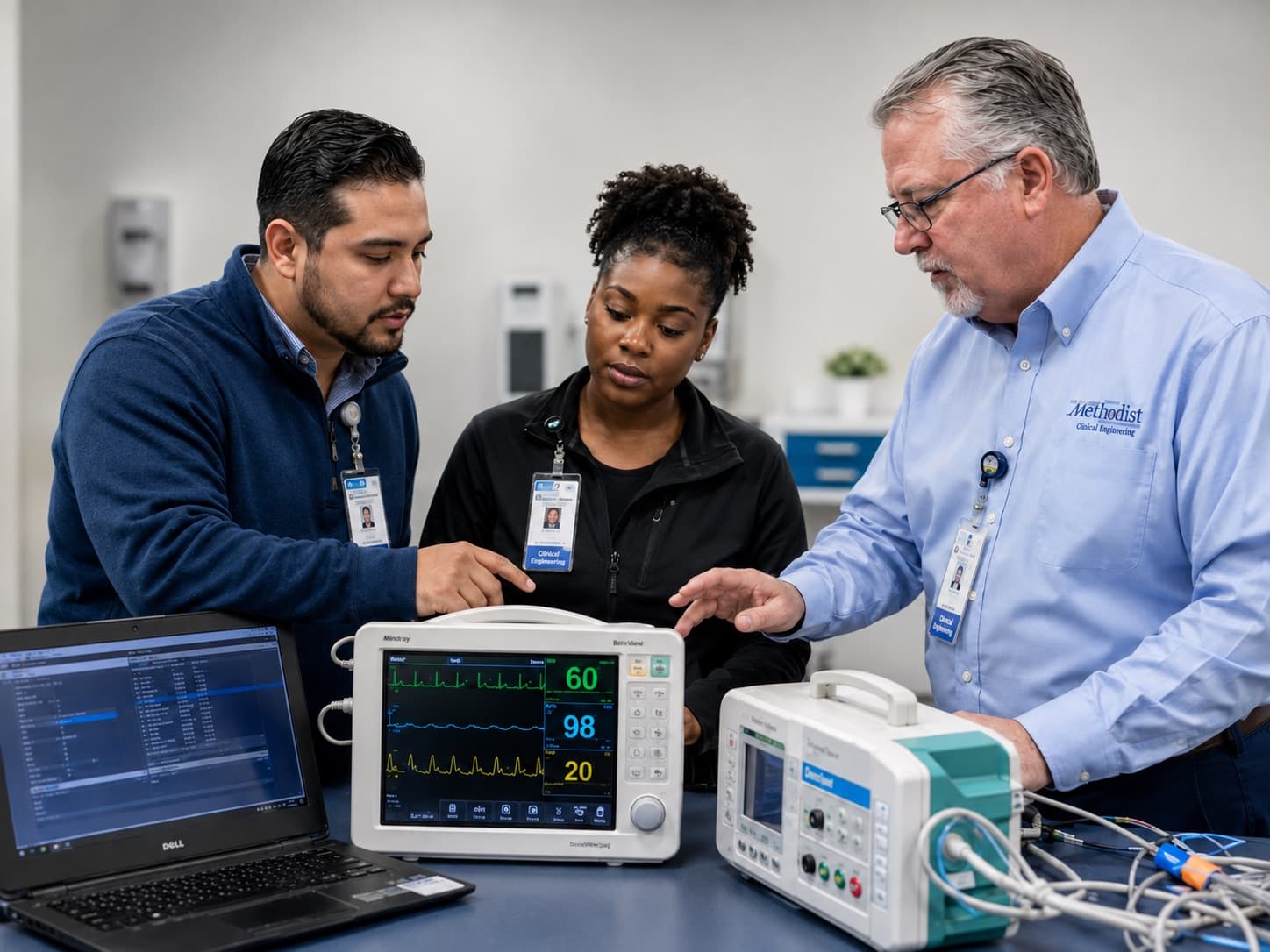
Where NESCE fits
A society for all New England
The New England Society of Clinical Engineering is a not-for-profit educational organization for everyone in HTM across Connecticut, Maine, Massachusetts, New Hampshire, Rhode Island and Vermont — clinical engineers, BMETs, imaging service engineers, managers and students alike.
Members get training and development, networking with colleagues from across the region, preparation training for CBET and CCE certification, and a scholarship recognizing those who have recently certified.
Next steps
Four ways in
Meet the society
Who NESCE is, what it does, and the board that runs it.
About NESCECome to something
Meetings, training and the symposium. The fastest way to understand the field is to stand in a room full of it.
See eventsRead the field
Articles and news from members across the six New England states.
Read articlesJoin NESCE
Networking, training, certification preparation and the scholarship for newly certified members.
Membership optionsQuestions
Frequently asked
Ready to join?
Whether you are three years into the field or still working out what to call it, NESCE is where New England’s HTM professionals meet.